
Blog | JS Pro Services

Grading a Yard in Evansville, IN: What Fixes Pooling and Runoff

October 20, 2026

Grading a Yard in Evansville, IN: What Fixes Pooling and Runoff

Yard grading in Evansville, IN corrects low spots and uneven surfaces that trap water near foundations, driveways, and lawn areas, turning soggy ground into a functional outdoor space.

What Causes Low Spots and Standing Water in a Yard?

Low spots form when soil settles unevenly over time, often after construction, heavy rain events, or years of foot and equipment traffic compressing the ground.

In the Evansville area, clay-heavy soils are common, and clay holds water rather than letting it drain through. When rain falls faster than the ground can absorb it, water collects in any depression it can find. That pooling can sit for days, softening the soil further and making the problem worse with each storm.

Runoff erosion is a related issue. When water moves across a yard without a controlled path, it carves channels through topsoil and deposits sediment in driveways, near structures, or at property edges. Grading reshapes the surface so water flows in a predictable direction rather than wherever gravity takes it.

How Does Yard Leveling Actually Work?

Yard leveling involves cutting down high areas and filling low ones to create a consistent slope that guides water away from structures and toward a safe outlet.

The process starts with reading how water currently moves across the property. A grading crew identifies where water enters, where it pools, and where it exits. From there, equipment reshapes the surface in passes, moving soil to build up low areas and smooth out transitions between grades.

Homeowners looking to find grading help in Evansville, IN before the next rainy season often discover that even modest slope corrections make a significant difference in how quickly their yard dries out after a storm. A properly graded yard sheds water within hours rather than holding it for days, which reduces both lawn damage and foundation moisture risk.

When Should You Add Drainage Trenching to a Grading Project?

Drainage trenching makes sense when surface regrading alone cannot move enough water fast enough, especially in low-lying areas or yards with limited natural outlets.

Non-utility drainage trenches channel subsurface water to a designated exit point, working alongside surface grading rather than replacing it. In yards where a single low corner collects runoff from multiple directions, a trench can intercept that flow before it reaches a structure or saturates the lawn.

Not every yard needs trenching. In many cases, correcting the surface grade is enough to solve pooling and erosion. A site evaluation helps determine which approach fits the specific drainage pattern on your property, so you are not adding work that does not address the actual cause.

What Evansville, IN Property Owners Should Know About Seasonal Timing

Grading work in Evansville, IN is most effective when the ground is firm enough to hold a consistent shape after equipment passes over it.

Southwest Indiana sees significant spring rainfall, and scheduling grading work during drier stretches in late summer or early fall gives the reshaped soil time to settle before the wet season returns. Working in saturated conditions can cause freshly moved soil to shift before it stabilizes, which means the grade may not hold its intended shape through the first heavy rain.

Fall grading also gives newly leveled areas time to establish before winter freeze-thaw cycles begin. Frost heave can affect loose or recently disturbed soil, so finishing grading work with enough lead time before hard freezes helps the surface stay where it was shaped.

JS Pro Services handles yard leveling, drainage shaping, and surface water redirection for properties across Evansville and the surrounding area. If standing water or runoff erosion is affecting your yard, you can explore grading options in Evansville, IN and start planning the right fix for your property. Connect with JS Pro Services to schedule a site visit and get a clear picture of what your yard needs.

Recent Posts

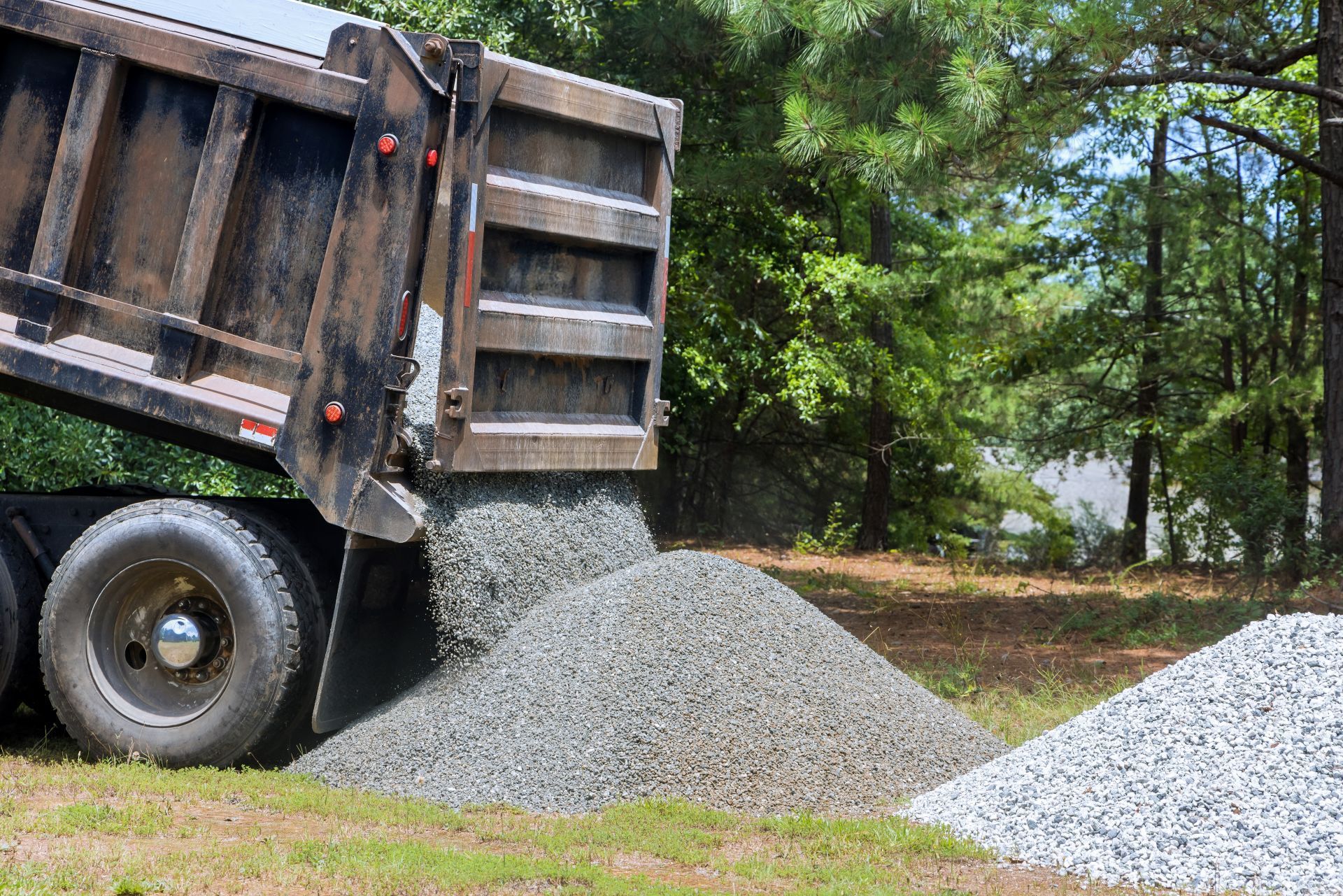
Dump truck unloading gravel piles outdoors near trees and grass.
By JS Pro Services • March 4, 2026
Estimate gravel for your driveway without guesswork. Learn a practical step-by-step method to plan cubic yards, depth, and include a buffer for settling.
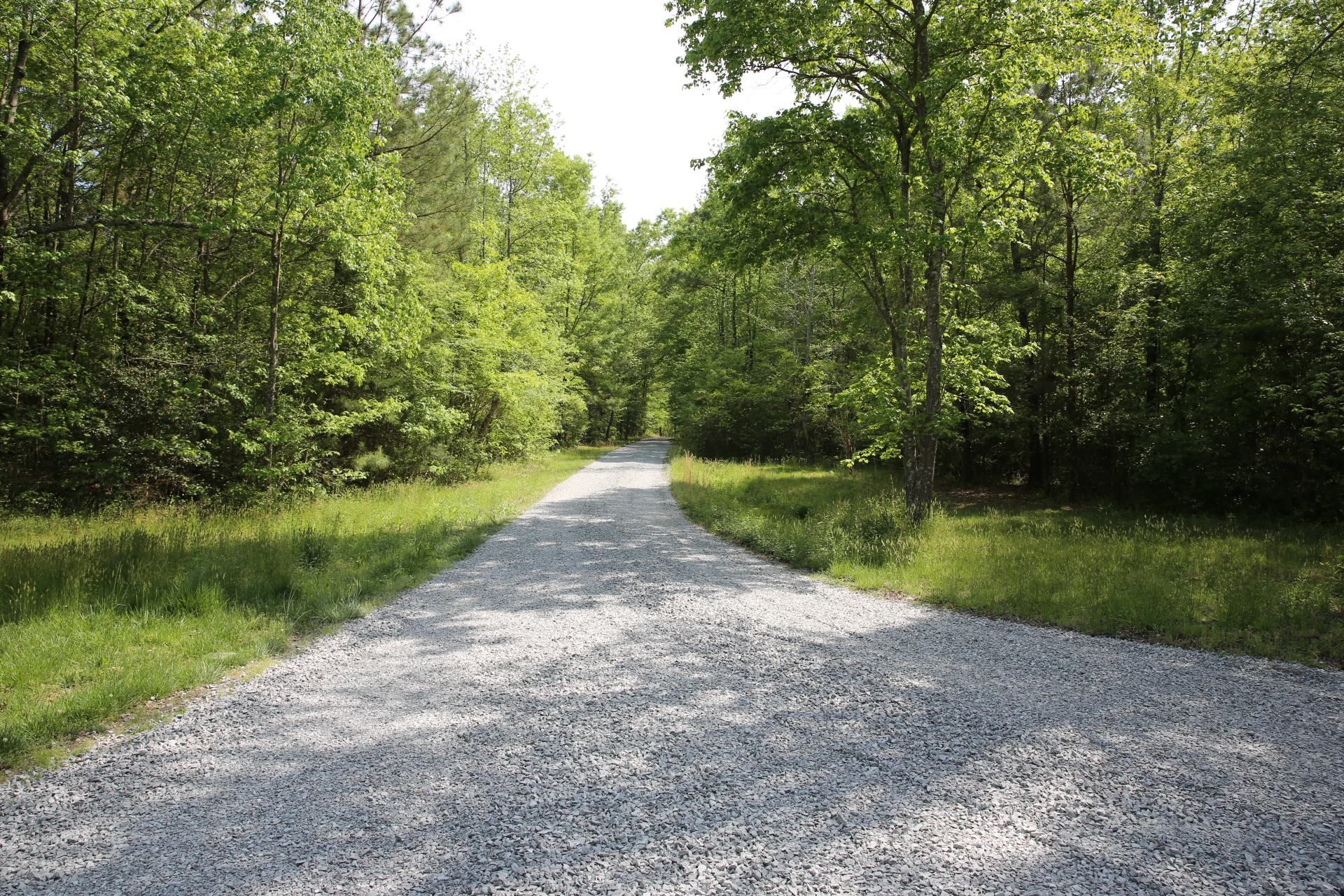
Gravel path curving through a green wooded park in bright daylight
By JS Pro Services • March 4, 2026
Learn when driveway widening is worth it for safety and function. Improve clearance, drainage, and stability while preventing edge failures long-term.
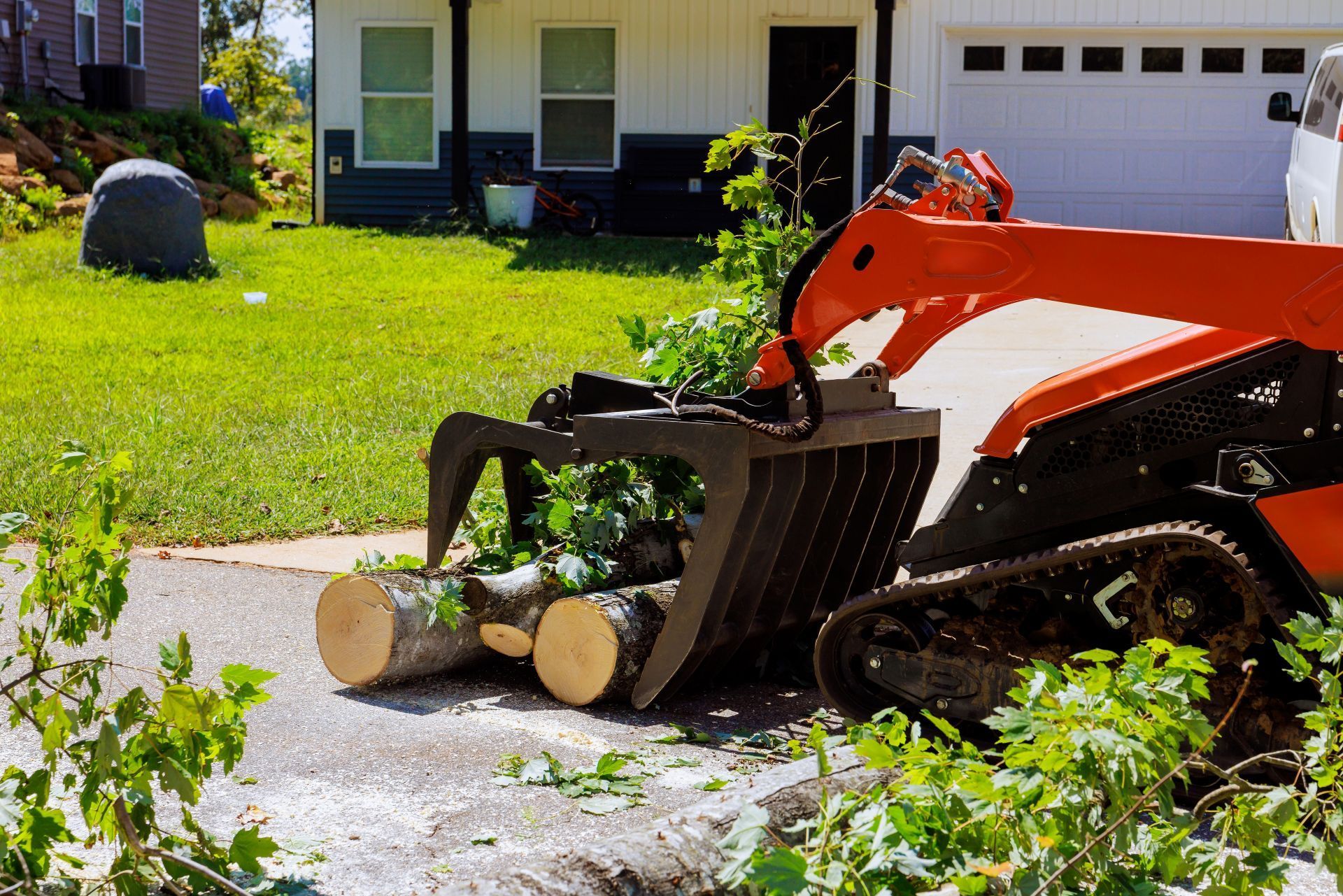
Orange skid steer pushing cut logs on a driveway beside a house and lawn
By JS Pro Services • March 4, 2026
Follow our storm cleanup checklist to restore safe access, handle debris efficiently, and protect your property after storms—safety and order first.
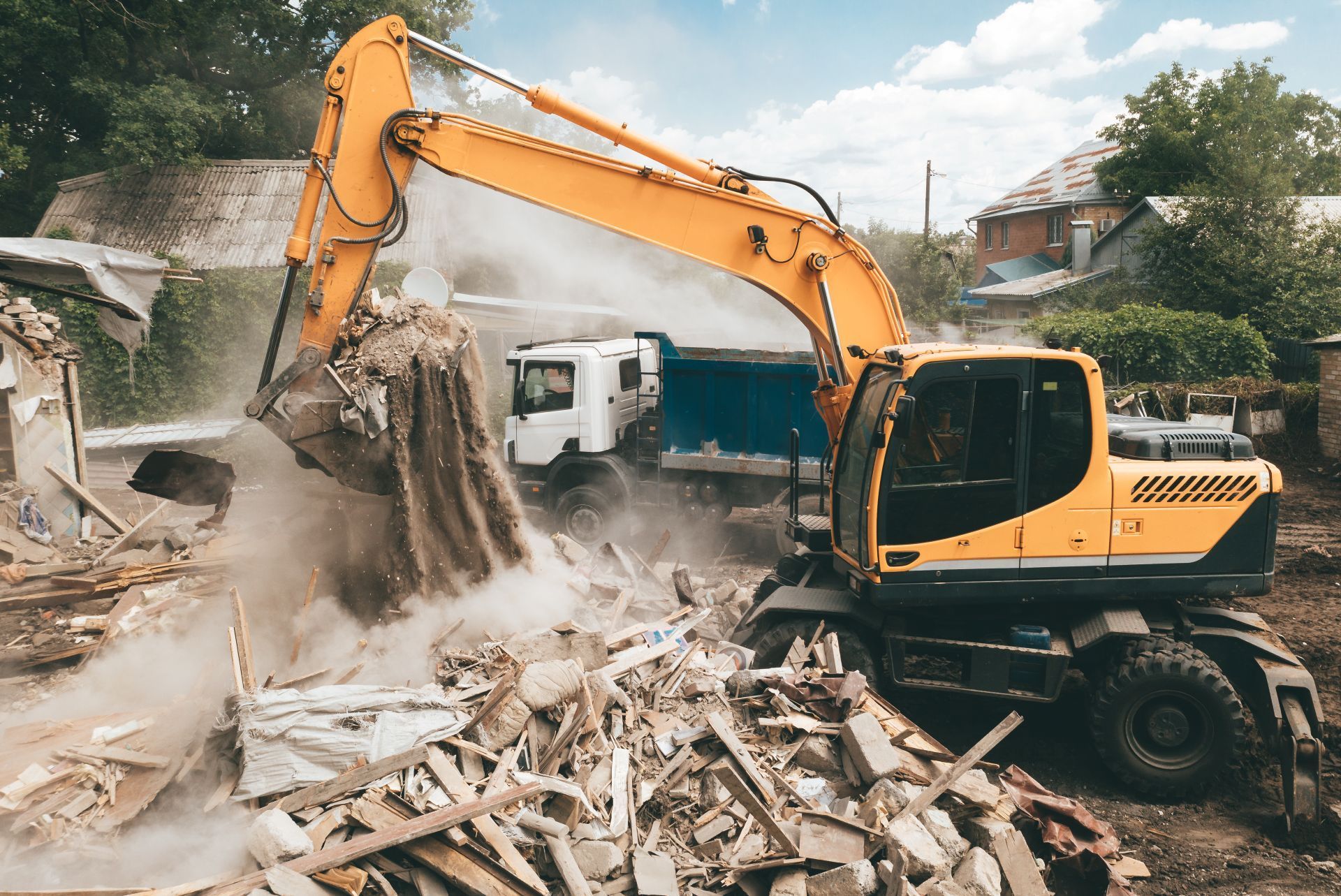
Yellow excavator demolishing a concrete structure, sending debris and dust into the air on a construction site
By JS Pro Services • March 4, 2026
New property? Save time and money with the right cleanup order: restore access, remove hazards, plan goals, clear carefully, and fix drainage first.
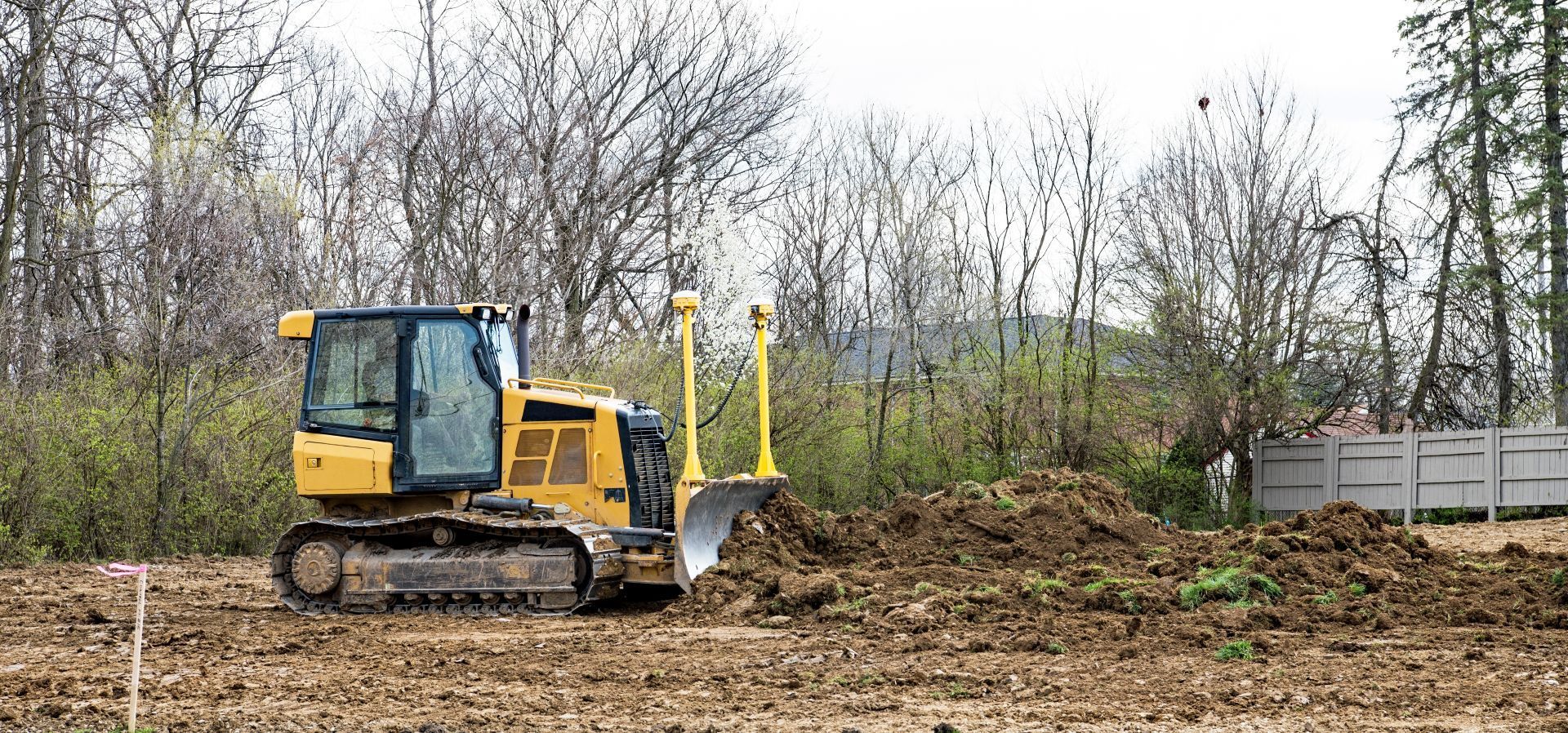
Yellow excavator clearing muddy ground at a rural worksite with leafless trees nearby
By JS Pro Services • March 4, 2026
Discover the difference between brush hogging and land clearing in Evansville. Learn which approach creates usable space, preps for builds, and saves money.
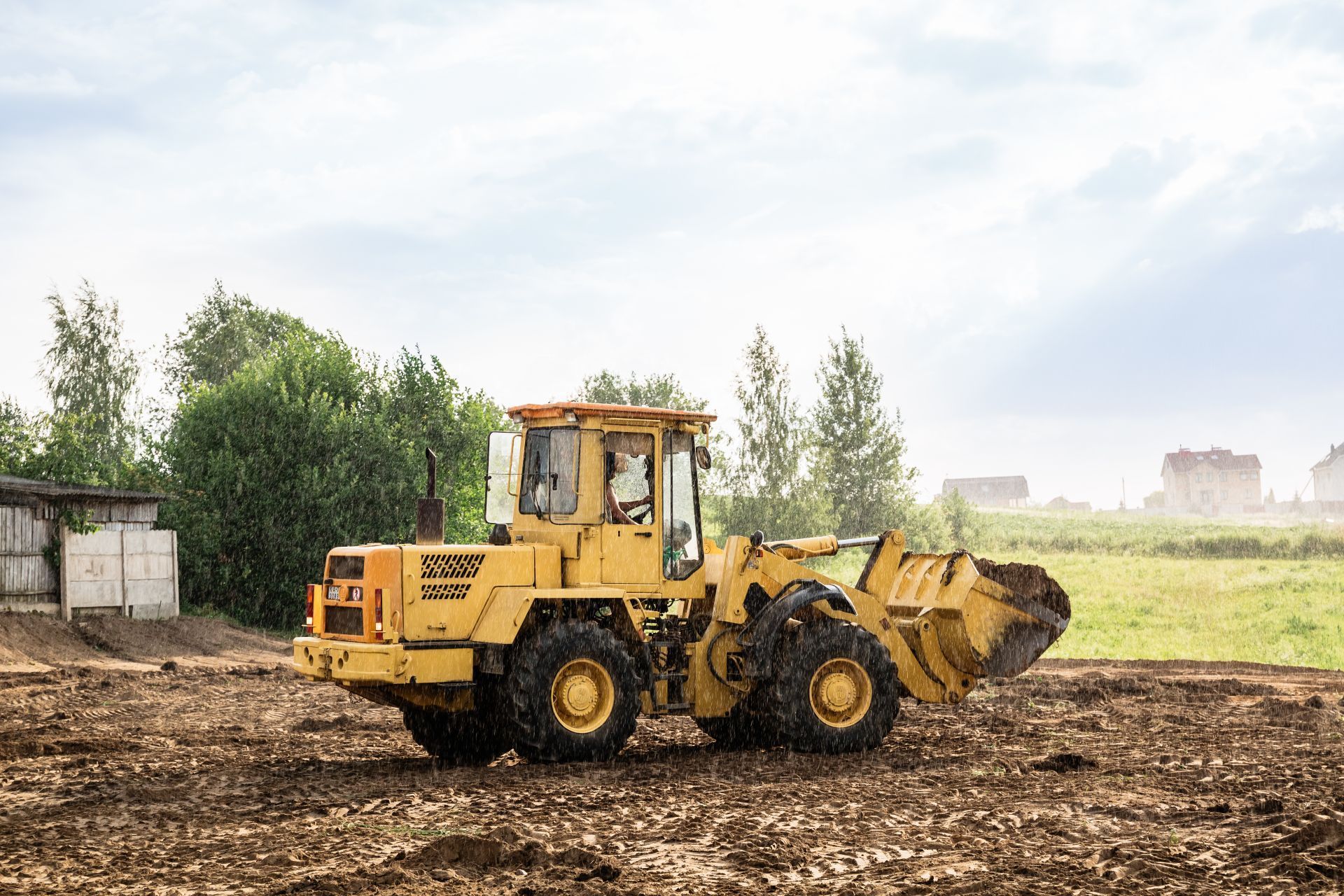
Yellow front loader on a muddy construction site with trees and buildings in the background
By JS Pro Services • March 4, 2026
Learn what a “clean finish” in land clearing really means. Ensure usable space, controlled debris, and intentional results for your property’s next step.
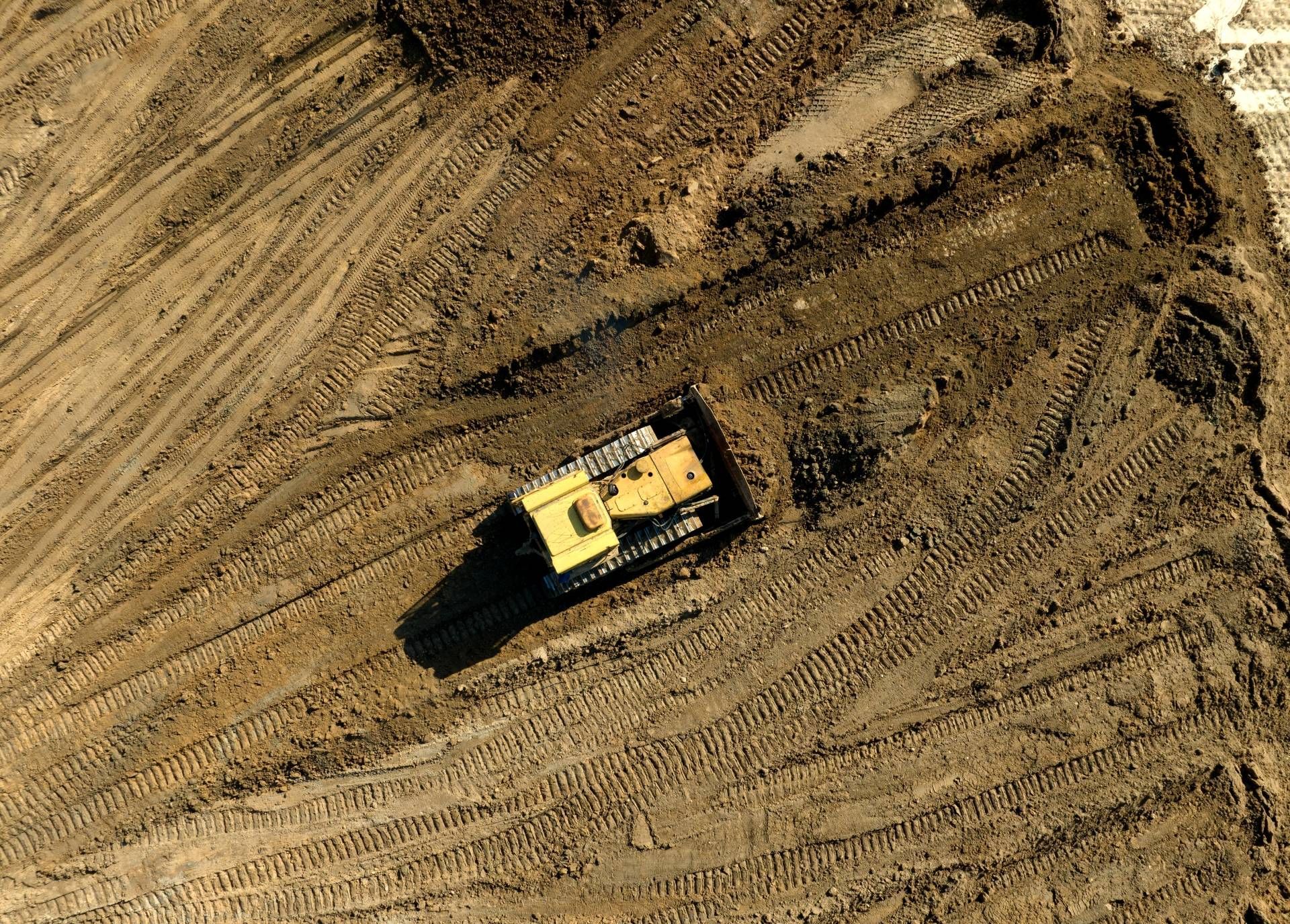
Yellow bulldozer grading dirt at a construction site, viewed from above
By JS Pro Services • March 4, 2026
Pre-construction site prep ensures smooth builds. Learn what to clear for access, overgrowth, drainage, and base work before construction starts.
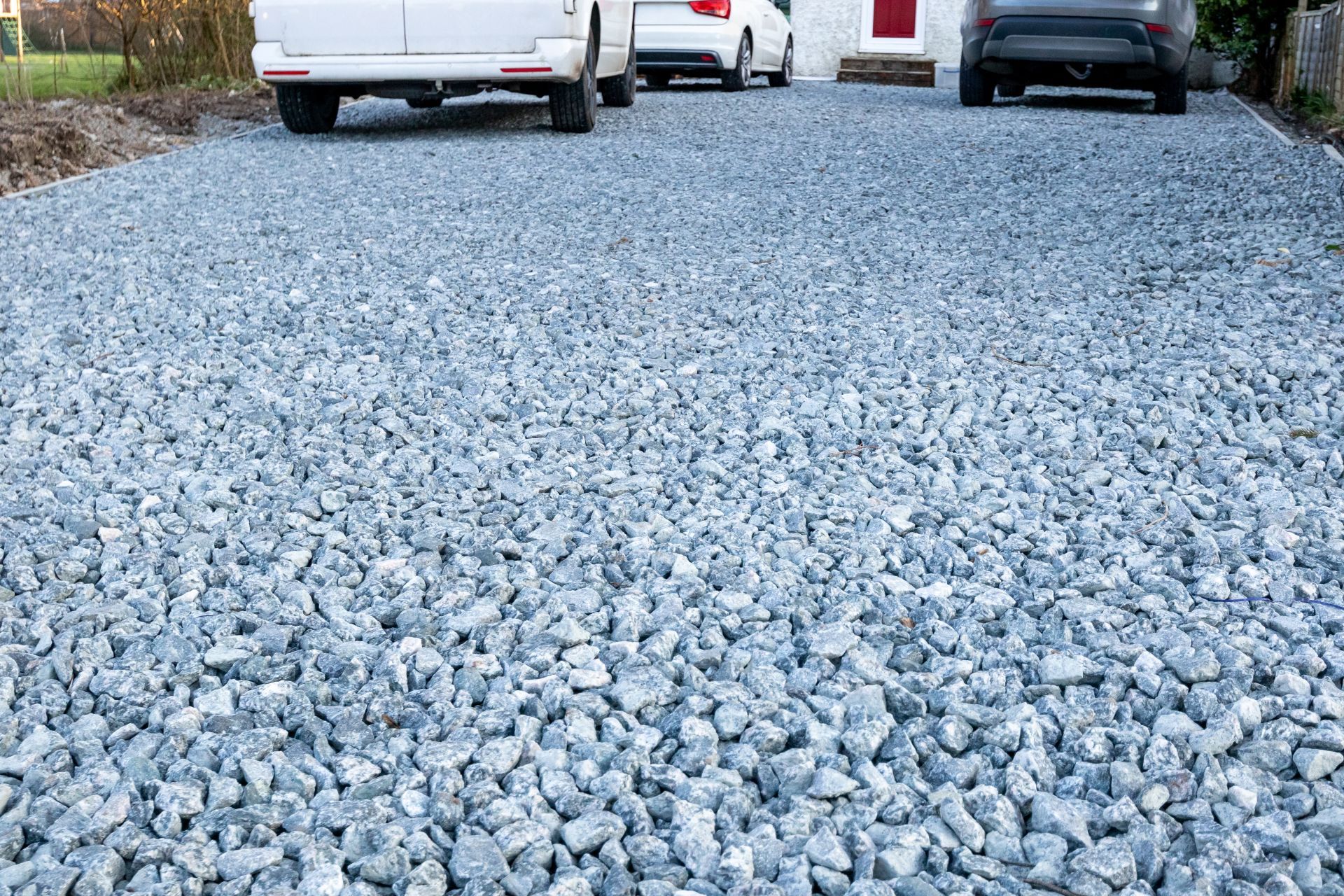
Gravel driveway with parked white van and cars at the far end
By JS Pro Services • March 4, 2026
Ruts in gravel driveways are usually caused by water, shape, or soft spots. Learn how proper grading, drainage, and edges prevent recurring damage.
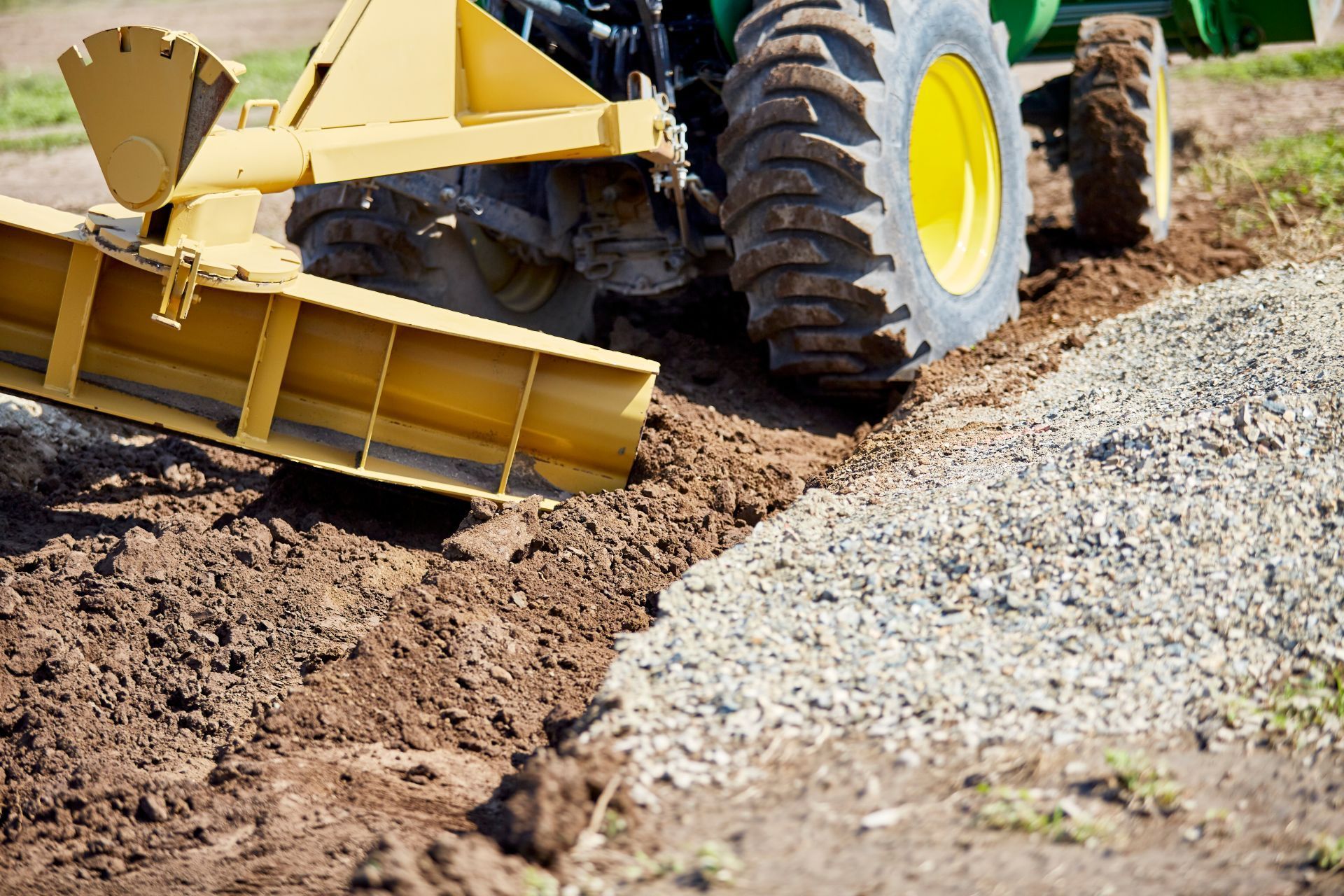
Yellow construction loader grading dirt beside a gravel path, with large tires visible
By JS Pro Services • March 4, 2026
Learn how to tell if your gravel driveway needs resurfacing, regrading, or a rebuild. Solve drainage and shape issues before adding more stone.
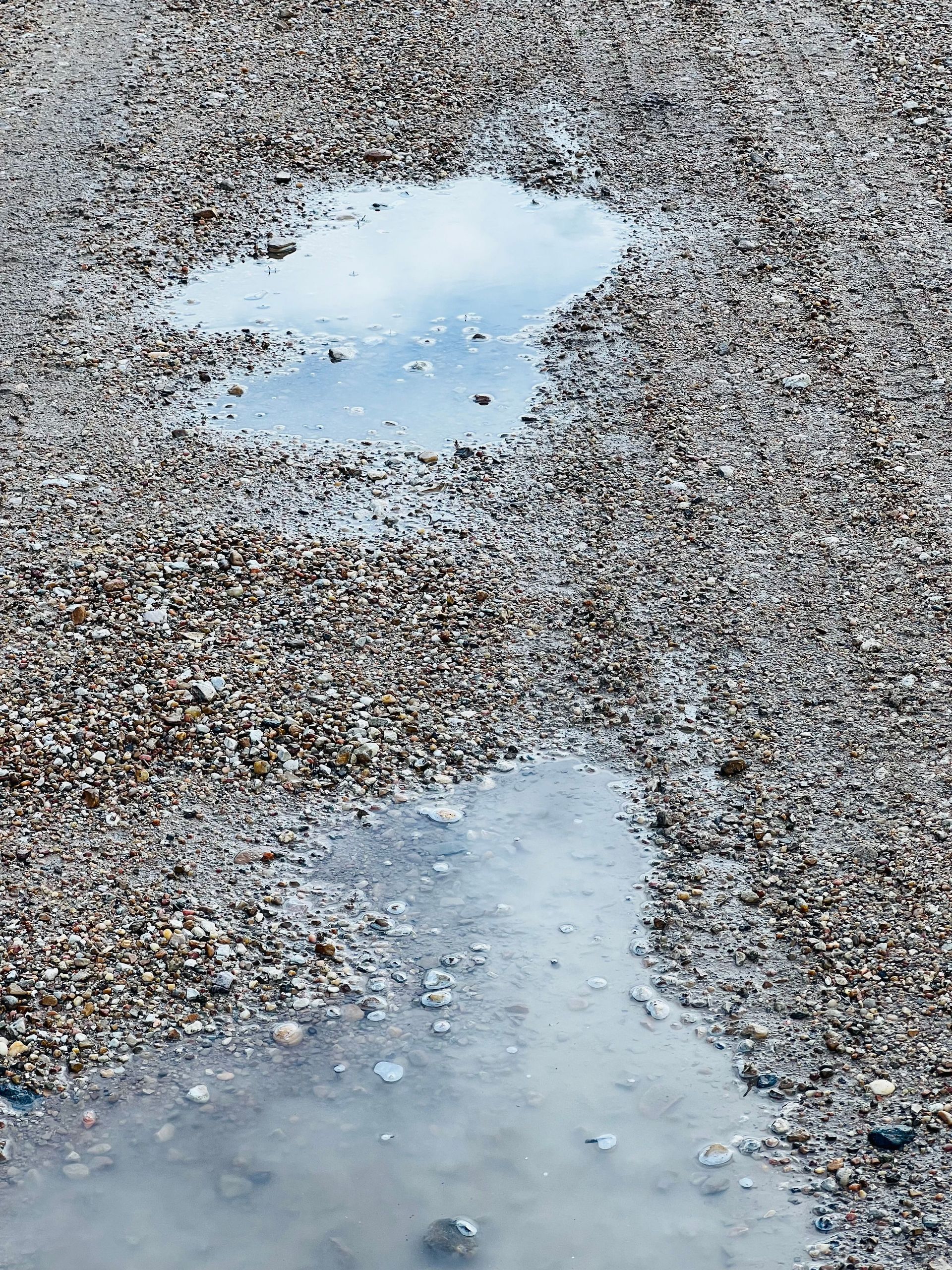
Gravel path with two puddles reflecting the cloudy sky
By JS Pro Services • March 4, 2026
Stop recurring potholes in your gravel driveway. Learn why water, shape, and base issues matter — and how to fix the root cause, not just fill holes.
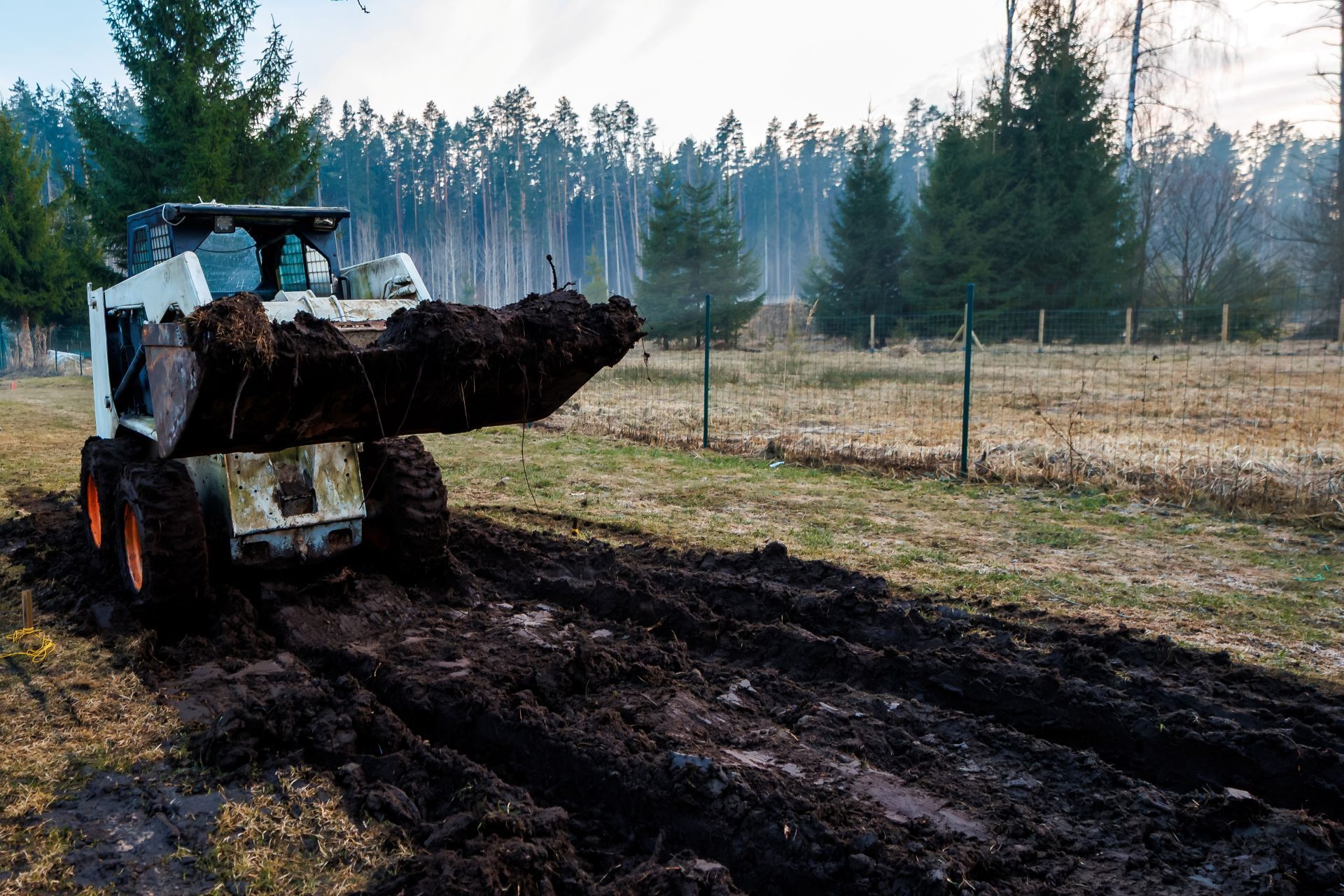
Front loader carrying muddy soil across a wet field, with tire tracks and trees in the background
By JS Pro Services • March 4, 2026
Learn how wet ground affects property work, from ruts to delays, and how smart timing and planning keep your site safe and finished correctly.
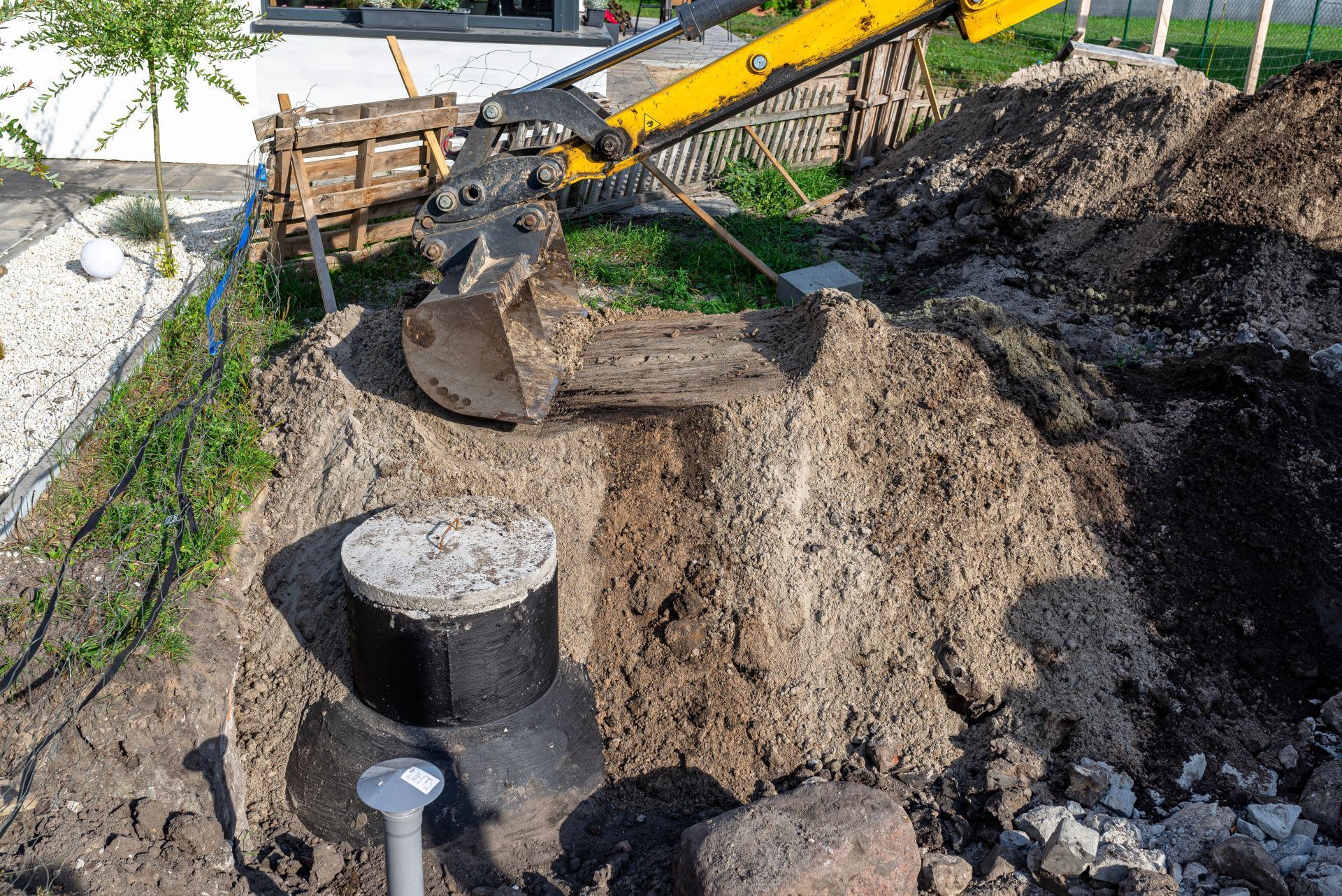
Excavator digging a trench beside concrete utility posts at a construction site
By JS Pro Services • March 4, 2026
Learn how proper drainage keeps water away from buildings, prevents pooling, and protects rural property with shaping, low-spot correction, and flow control.